The task
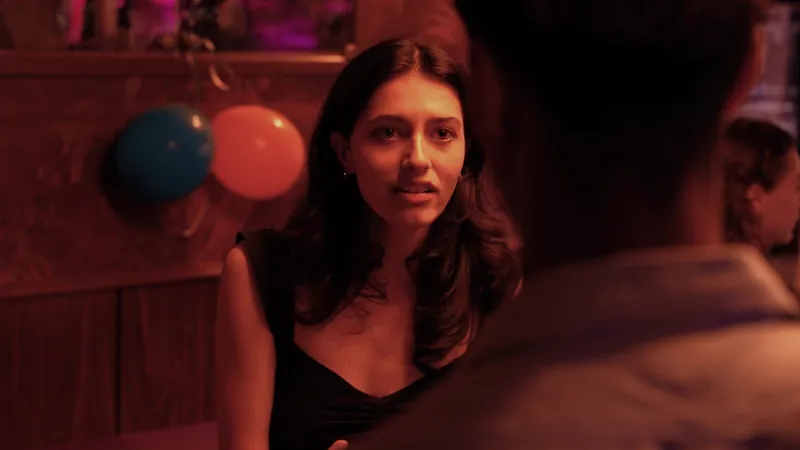
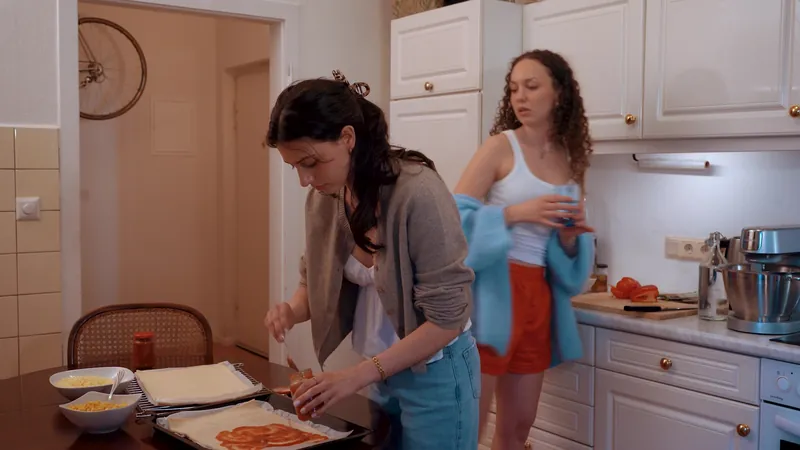
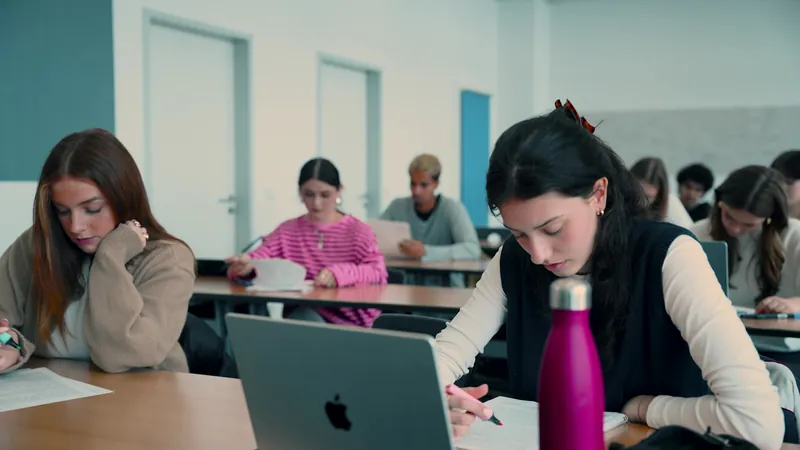
FOMO started as a university project: a short film, from first idea to final cut. I wanted a topic that people my age actually live with: being at every event, answering every message, and still feeling like you're somewhere else. The film follows two best friends. Mateo says yes to everything, driven by a father who keeps forgetting him. Emma is quieter and in the middle of moving out after a breakup, and Mateo is too busy to notice.
Idea & approach
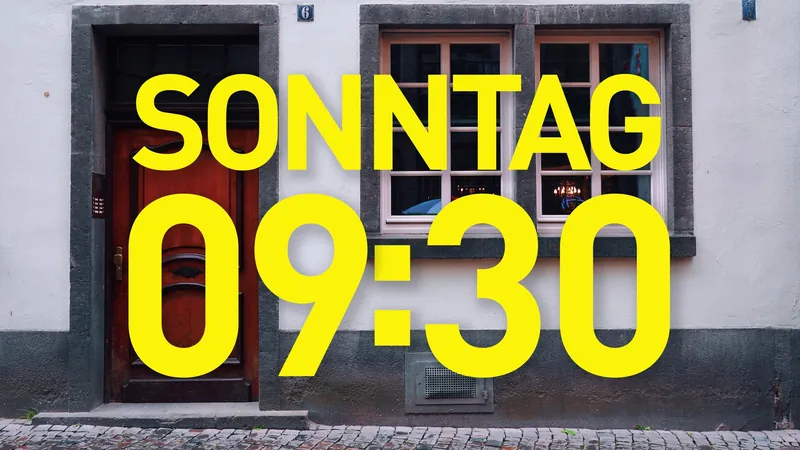
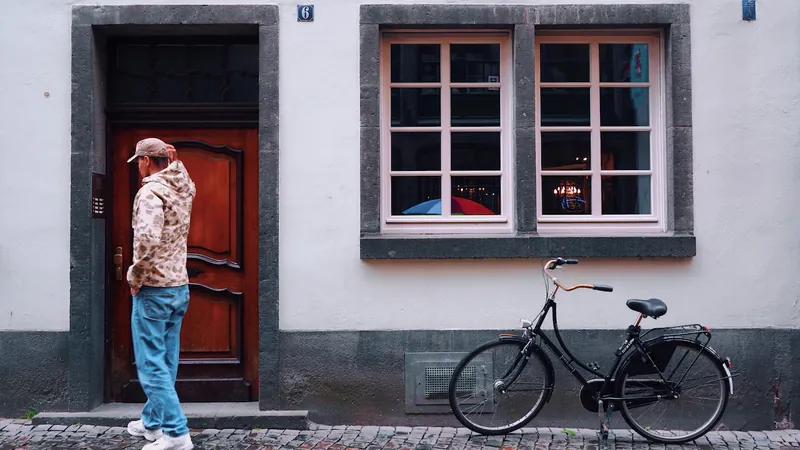
Instead of telling the story once, I tell the same day twice: first through Mateo's eyes, then through Emma's. Memento was a reference for the structure, Wes Anderson, my favourite director, for the symmetrical framing in key shots. Mateo's half is graded cooler, cut faster and underscored by a ticking clock that grows louder. Emma's half is warmer and calmer, like her, with birdsong and children playing outside. Even the on-screen timestamps play along: Mateo's minutes keep jumping while Emma's clock stands still, until the conflict, when time stops for Mateo too.
Process
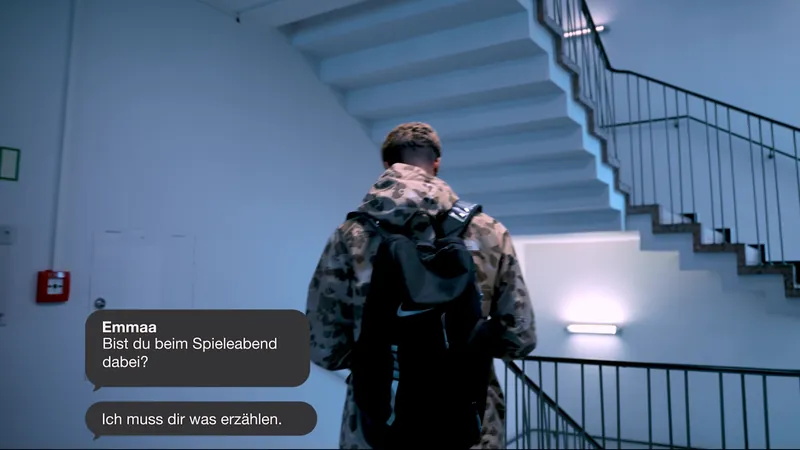
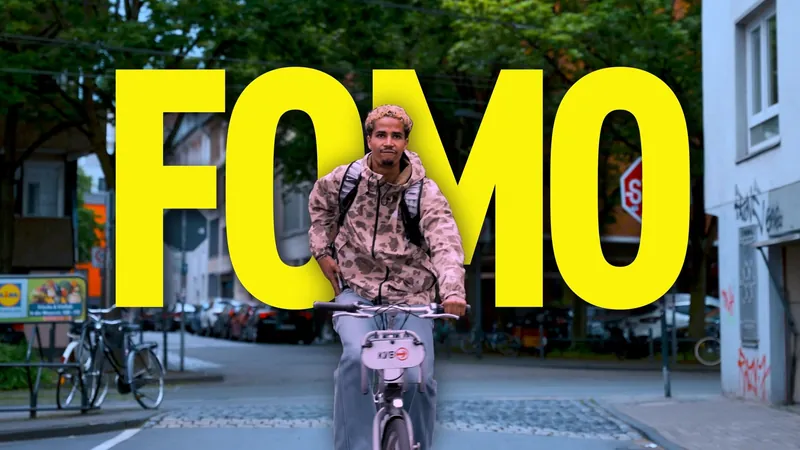
I wrote the treatment and screenplay, then broke every scene into a shot list with shot size, angle and movement. Our actors from the IAF acting school had very little time, so we shot the whole film in four long days, grouping scenes by location and cast. In post, I edited in Premiere Pro and built the motion design in After Effects: a moving mask that cuts Mateo out on his bike for the title, and chat bubbles that grow as someone types and send like the real thing.
Result & learning
The film ends open: Mateo shows up to help Emma move, gets the next invitation and starts typing. Whether he says yes, we never find out. Next time, I'd plan shots even more closely, think about the edit while still on set and match camera settings more carefully across setups. And I'd invest more in sound, because in FOMO it tells as much of the story as the image.